New Linux Hardware, France switches to Linux, and more!
 Liam Dawe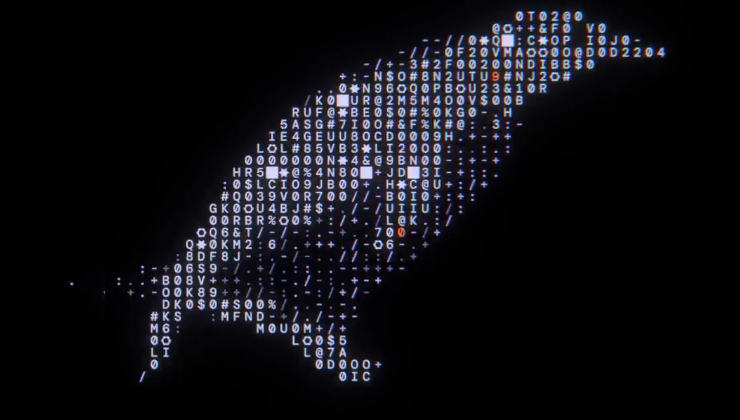
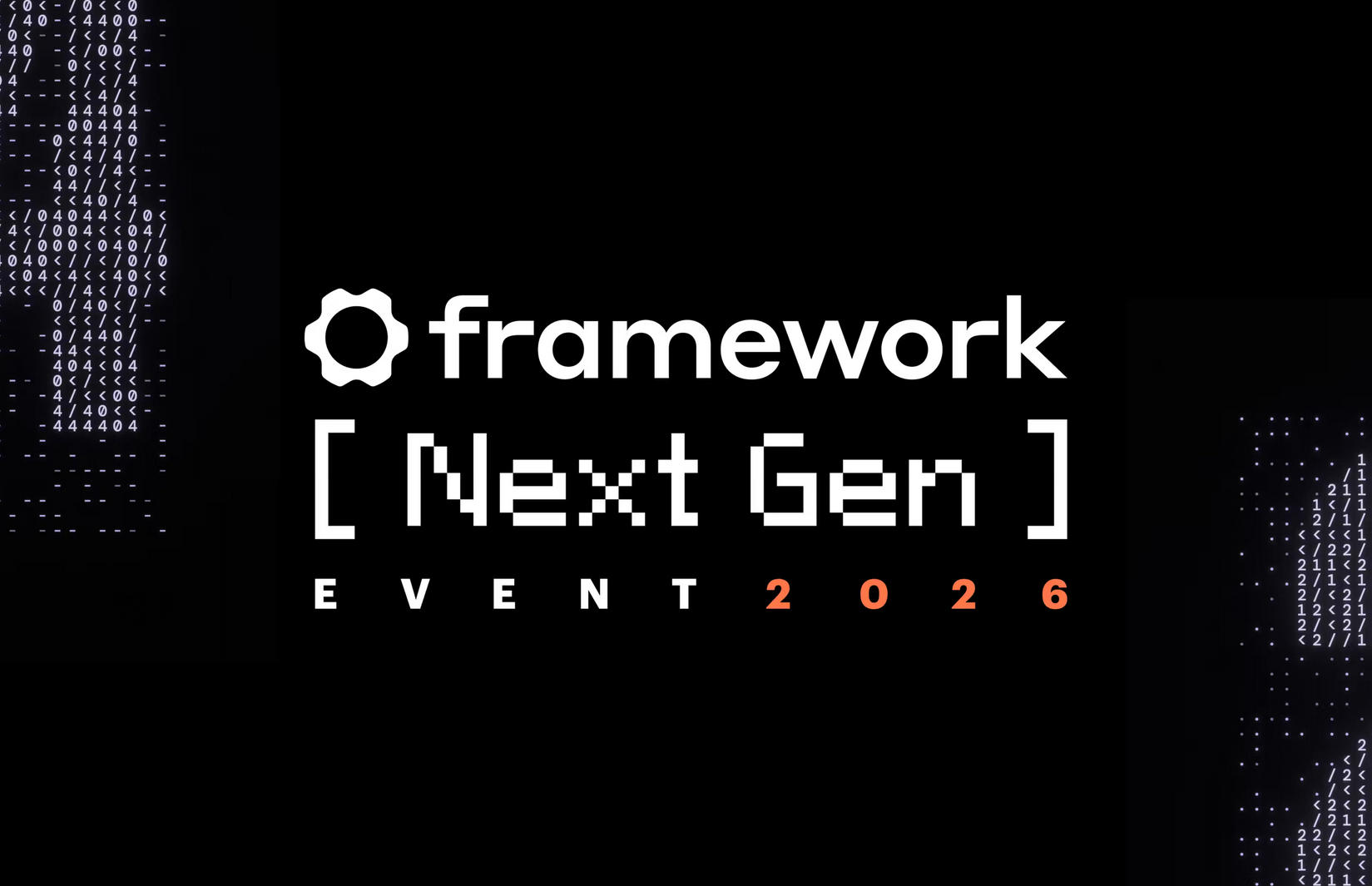
Framework is teasing new hardware, and this time around they seem to be particularly leaning into Linux support! That's a good trend, especially since Framework is also directly funding FOSS development. As an example, they've recently been announced to be a KDE Patron, which means they are actively donating money to KDE.
This upcoming event is happening on the 21th of April, one week from now. Along with the above-pictured white penguin that's prominently featured in their marketing of the event, there's also the following promotional video that makes heavy use of the "i use arch btw" meme, and showcases multiple distribution logos as well:
I'm so excited!
 Sourav Rudra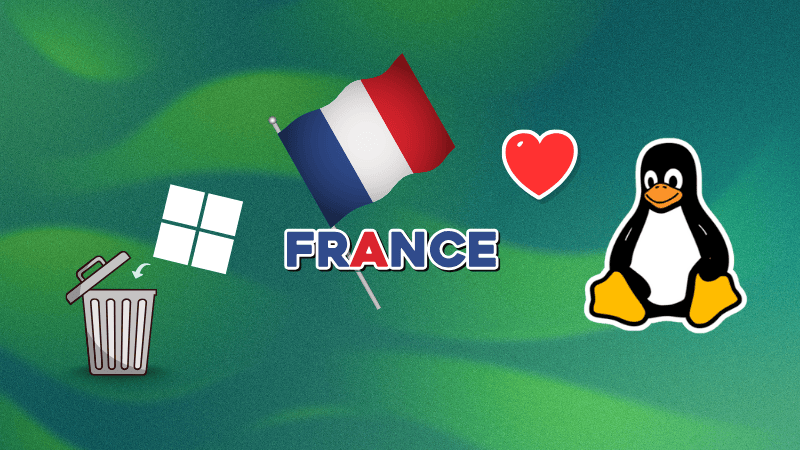
This is also great news, and probably a direct consequence of the current political situation. It seems that the French government wants to actively work towards digital sovereignty: the "national digital directorate" is migrating its workstations from Windows to Linux, the health insurance body is also working towards a transition to homegrown tools, and, according to It's FOSS,
Every French ministry, including public operators, will be required to submit its own non-European software reduction plan by Autumn 2026.
Of course, I'd be remiss here not to mention our fav 🇫🇷 Linux YouTuber covering this topic, though in a paid-only video. He claims that "The EU's move to Linux isn't for the right reasons, but it will still help"; I haven't had the chance to watch it, so I don't know whether I agree or not!
 Niccolò Venerandi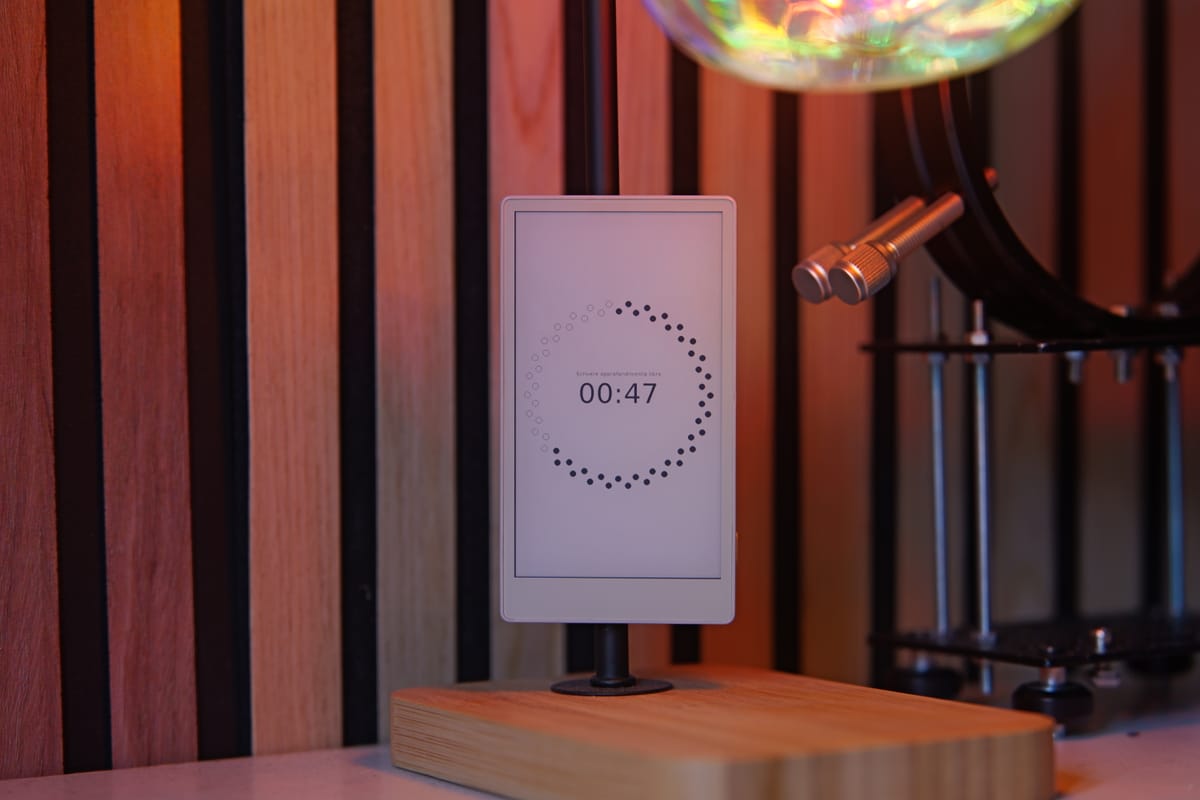
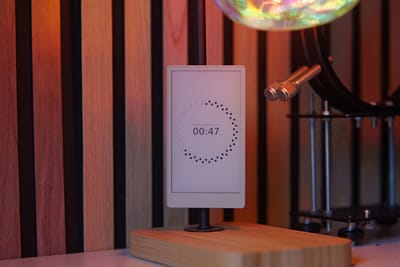
I'd like to briefly link last week's post by me if you haven't seen it! It talks about how I bought a e-ink devkit and built a tasks & events (& budgets) manager from scratch in MicroPython. It's something I wanted to talk about for months, as it's probably one of the best well-being projects I've worked on.
This week I'd also like to talk about another personal project of mine, which is however unrelated to FOSS tech. I won't spoil you the exact topic, but it's related to photography, and it's something I used when directing my last short film!
 Joey Sneddon
Linux 7.0 has been released. This sounds like a major update, but as OMG! Ubuntu mentions,
The shiny new version number does not, however, signify anything special. Linus has always been upfront that kernel version numbers tick up when the minor number gets a tad unwieldy, not because a ‘milestone’ has been reached.
In the above article you can read the improvements that it brings (better swap subsystem, faster NTFS3 and self-healing XFS filesystems, etc); I would like to detail them to you, but I do have a rule not to talk about things I do not understand at all myself, so you'll have to rely on the original reporting.
It's worth noting that this seems to be the first release where Rust support is no longer "experimental", which is an important step forward for the project which somehow offended the usual right-wing Linux folks.
Talking about the Linux kernel, there's also a quick update on my article/video about how Linux handles AI contributions.
 Sourav Rudra
As reported by It's FOSS, Linux 7.0 also brings the official AI Coding Assintant policy, which - amongst other things - states that
AI agents MUST NOT add Signed-off-by tags. Only humans can legally certify the Developer Certificate of Origin (DCO). The human submitter is responsible for: Reviewing all AI-generated code, Ensuring compliance with licensing requirements, Adding their own Signed-off-by tag to certify the DCO, Taking full responsibility for the contribution. [...] When AI tools contribute to kernel development, proper attribution helps track the evolving role of AI in the development process.
I personally quite like this policy and I think it's quite reasonable. Here's a last quote, still from the above article, that made me chuckle:
We covered this earlier in the week, but Greg Kroah-Hartman (GKH) seems to have had AI-assisted fuzzing running in his kernel tree for a while now, in a branch called "clanker."
 The Servo Project Developers
This is a very quick update because I like the Servo project and I think it deserves some publicity: the Servo team has released version v.0.1.0 which is the first release that can be used as a library thanks to a crates.io release. The announcement states:
the increased version number reflects our growing confidence in Servo’s embedding API and its ability to meet some users’ needs.
In case you're out of the loop, Servo aims to provide a web ending that can be embedded within applications; it was previously developed by Mozilla for Firefox, but now lives within the Linux Foundation.
 Stevie Bonifield
Another quick update: the Electronic Frontier Foundation decided to ditch Twitter. They will leave the platform, since - according to their analytics data - the views dropped by ~30 times: they were reaching 50 to 100 million impressions each month, and they now only reached 13 million in an entire year.
According to the EFF, it still makes sense to be on "bad" proprietary social network platforms (such as TikTok, Instagram, …) in order to reach a wider public:
Our presence on Facebook, Instagram, YouTube, and TikTok is not an endorsement. [...] We stay because the people on those platforms deserve access to information, too. We stay because some of our most-read posts are the ones criticizing the very platform we're posting on. We stay because the fewer steps between you and the resources you need to protect yourself, the better.
According to them, the reason they decided to ditch Twitter is simply because it "is no longer where the fight is happening". I was initially skeptical of this choice, but if indeed they don't have a reach anymore, keeping their X presence might only be a liability!
Community Shoutouts
I'd like to dedicate a section of this newsletter to showcasing some plugins and themes from the community! My favorite one this week is this lyrics tool for GNOME:
 Joey Sneddon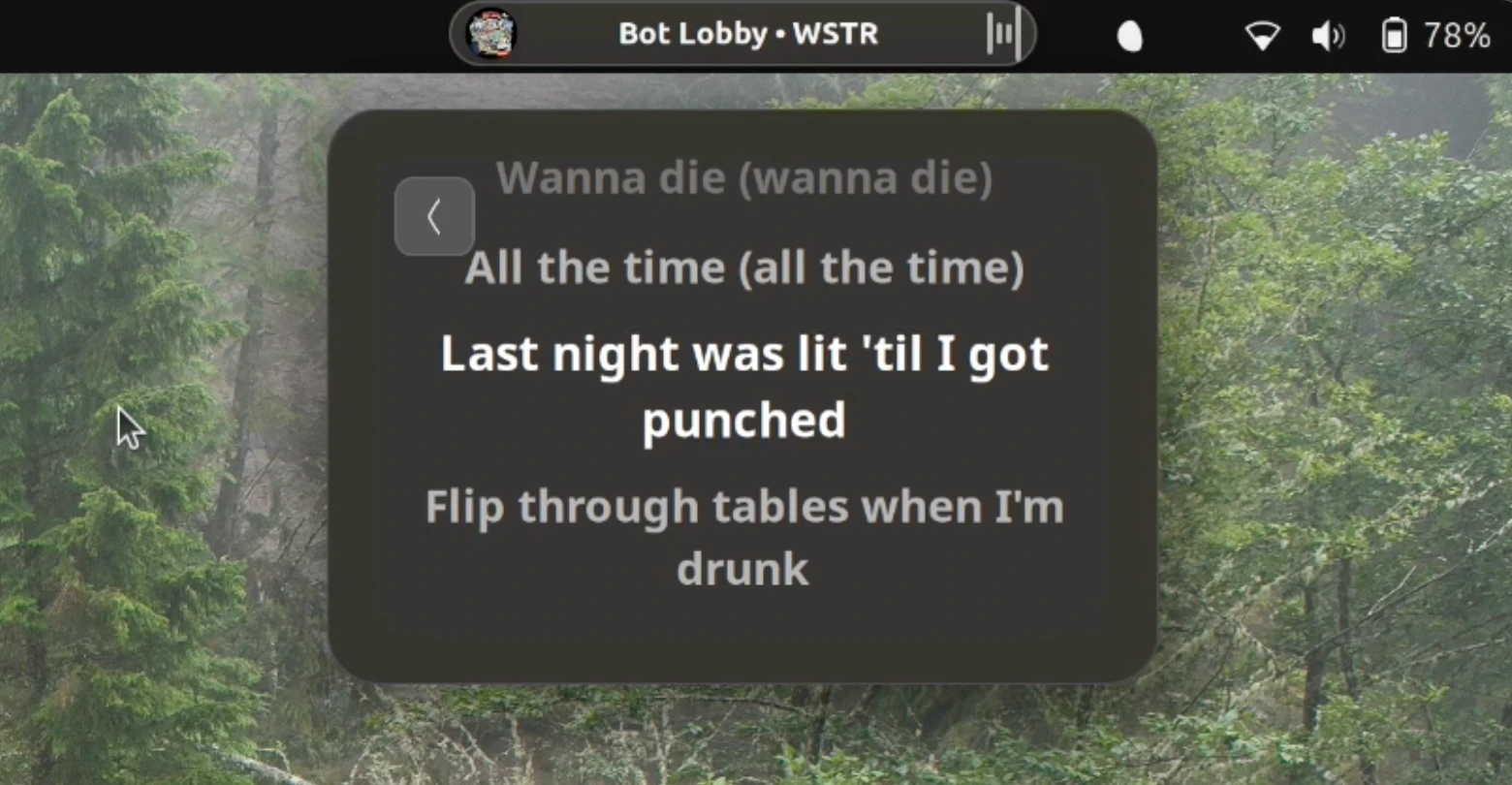
I'll admit I'm a bit envious of it, as a Plasma user. However, we do have this very cool productivity tool:
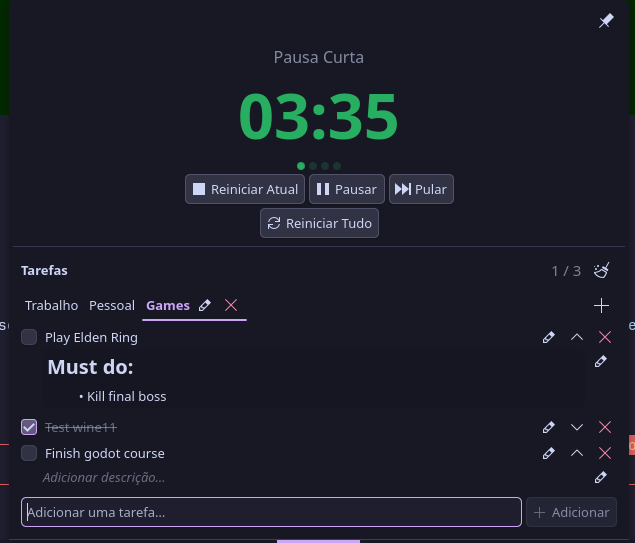
Which exposes both a pomodoro timer and a task manager within the same applet! Of course, I now have my own productivity stack, but hey, others might still find this useful!
If you're on the Plasma team, there's another couple of good news. Firstly, KDE Connect is now providing better integration between your phone and your desktop:
 Utopiah (Fabien Benetou)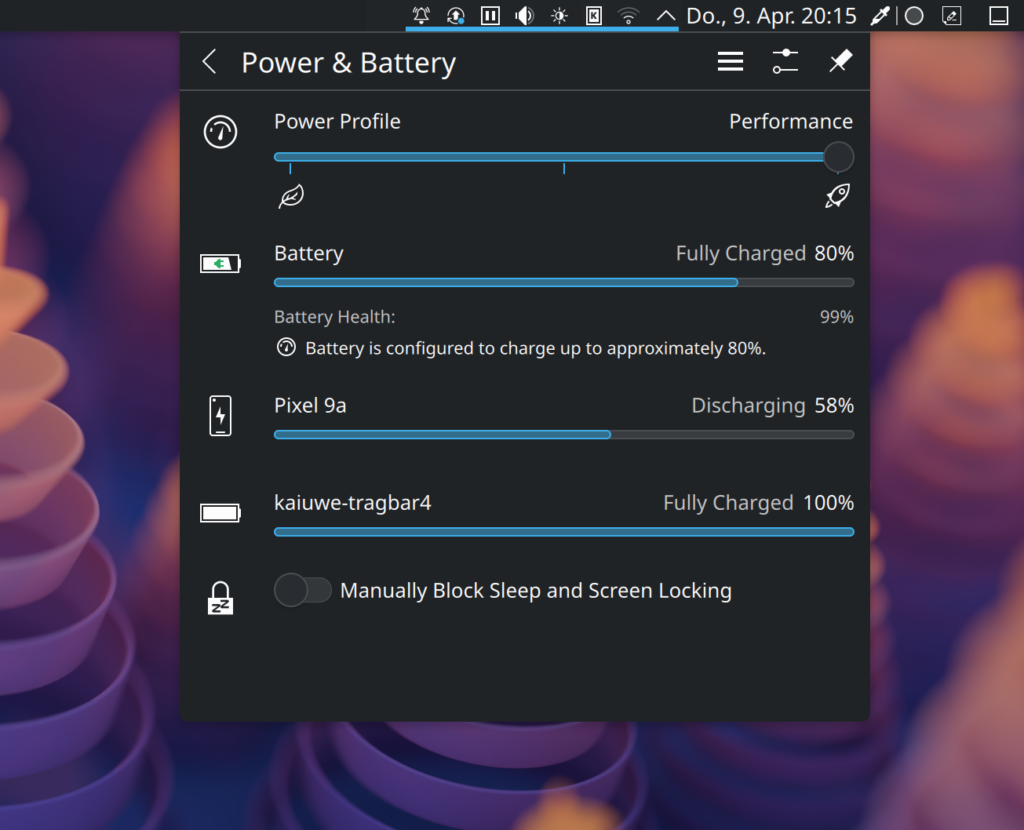
And, finally, there's a new release of Plasma Zones, implementing "Virtual screens", which "are a sub piece of the physical monitor's usable geometry (so minus panels)".
Thanks for reading, and see you next week!
We only run on donations. If you liked this piece, help us reach 300 subscriptions.
no ads · no trackers · cancel whenever